Jewels
A ring, a talisman, a bracelet
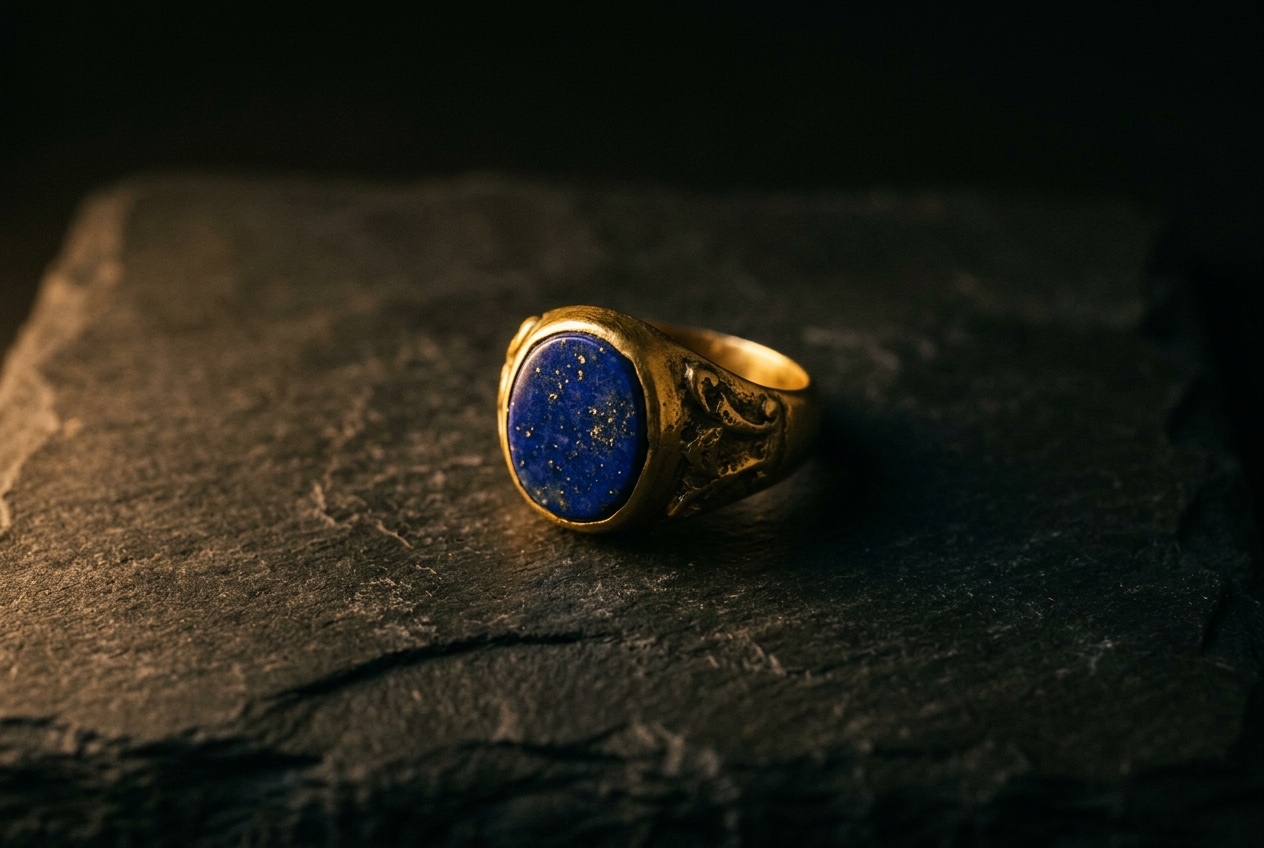
The object you wear every day is present in your most familiar gestures. A ring of power, a pendant, a bracelet: close to the skin, present in every gesture.
Objects of power
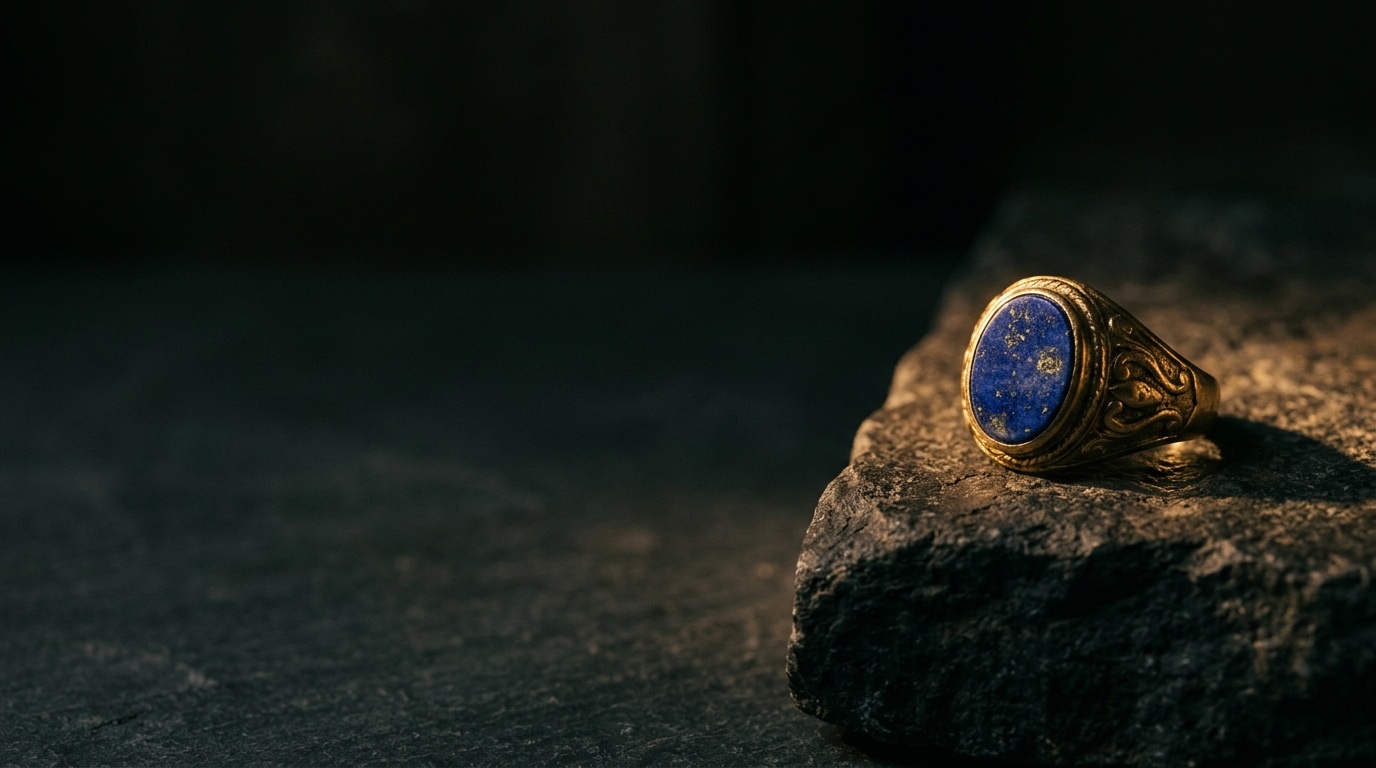
Kings sealed their word with a ring. Priests consecrated the statues they served. Healers kept stones and bundles they never parted with.
I bless and consecrate objects: jewels, collectors’ pieces, works of art. I clear the memories they hold, attune them to a precise intention and activate them. I also create objects of power.
What an object carries
A ring, a chain, an heirloom has passed through hands, vows, griefs and years. Worn against the skin every day, it keeps that story close to you.
Cleared and attuned, the same object becomes an ally: it keeps alive the intention you have chosen, through the decisions, the meetings and the years. The old traditions called this guidance and protection.
The lineage
Long before it was a jewel, the ring was a seal of authority. Long before it was an ornament, the amulet was a covenant. Across the ancient world, those who served the sacred cleared, consecrated and awakened objects, and their owners wore, kept and honoured them for life. Here are some of them, as museums and historians describe them.
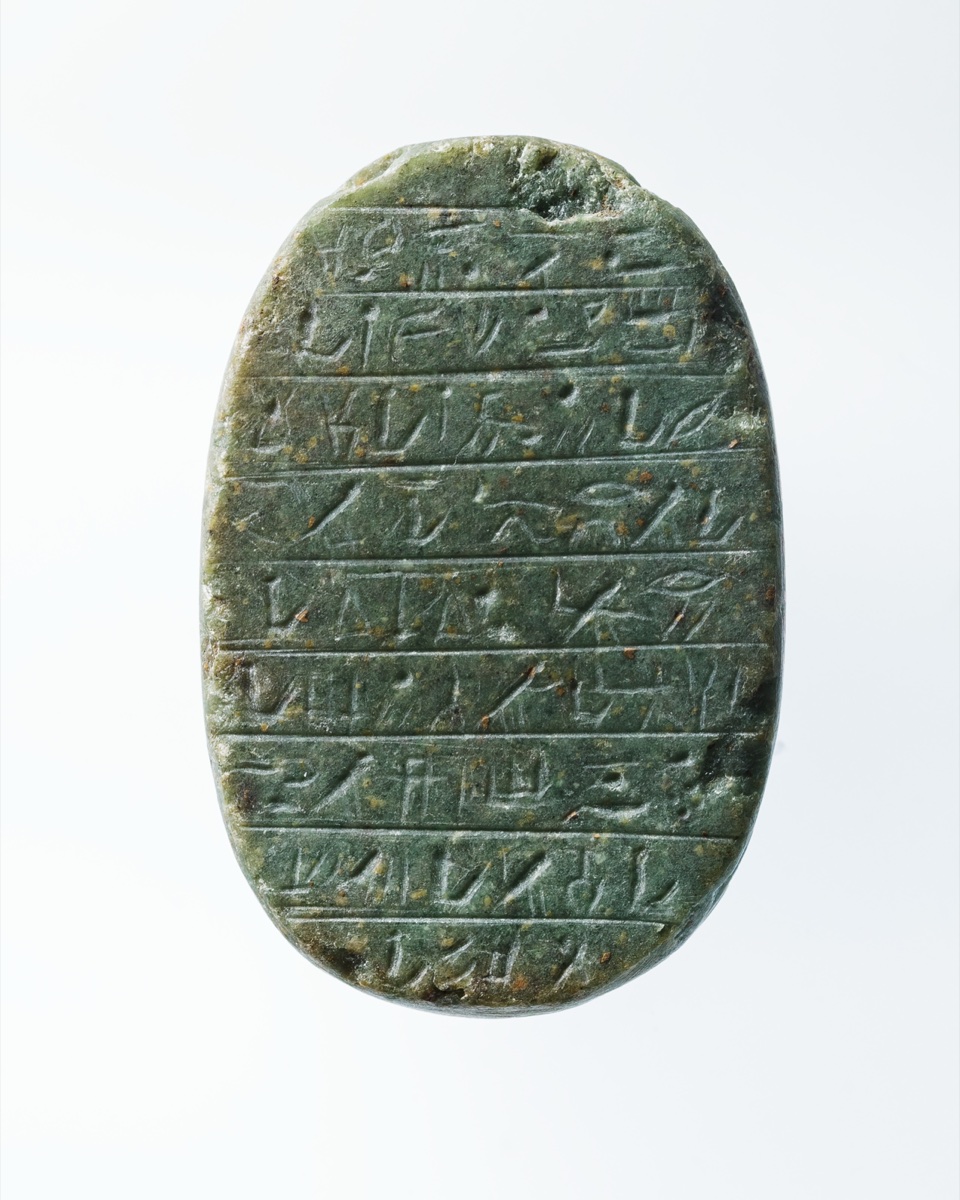
In Egypt, an amulet drew its force from the words spoken or carved upon it. Laid on the chest, the heart scarab carried words meant to speak for its owner, even before the judges of the dead.
The Met, New York · Public domain · SourceA statue fresh from the workshop was still only matter. In Mesopotamia it was washed on the first day of the human hands that had made it; on the second its mouth and eyes were opened. Egypt had its own rite of opening the mouth, so that it could see, breathe and become a presence.
Source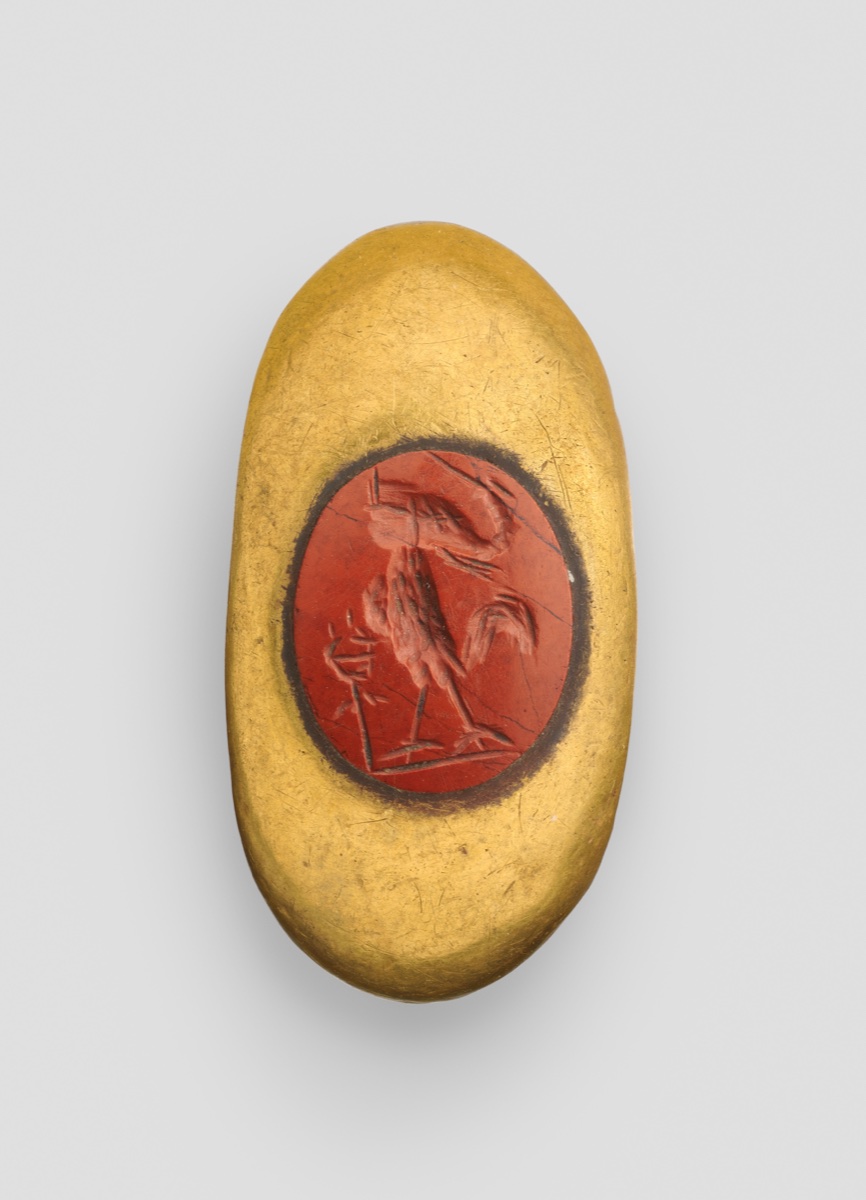
Manuals of the time explain, step by step, how to engrave a stone, set it in gold, then consecrate stone and ring together with smoke, offering and prayer. One such ring was said to soften the anger of masters and kings.
The Met, New York · Public domain · Source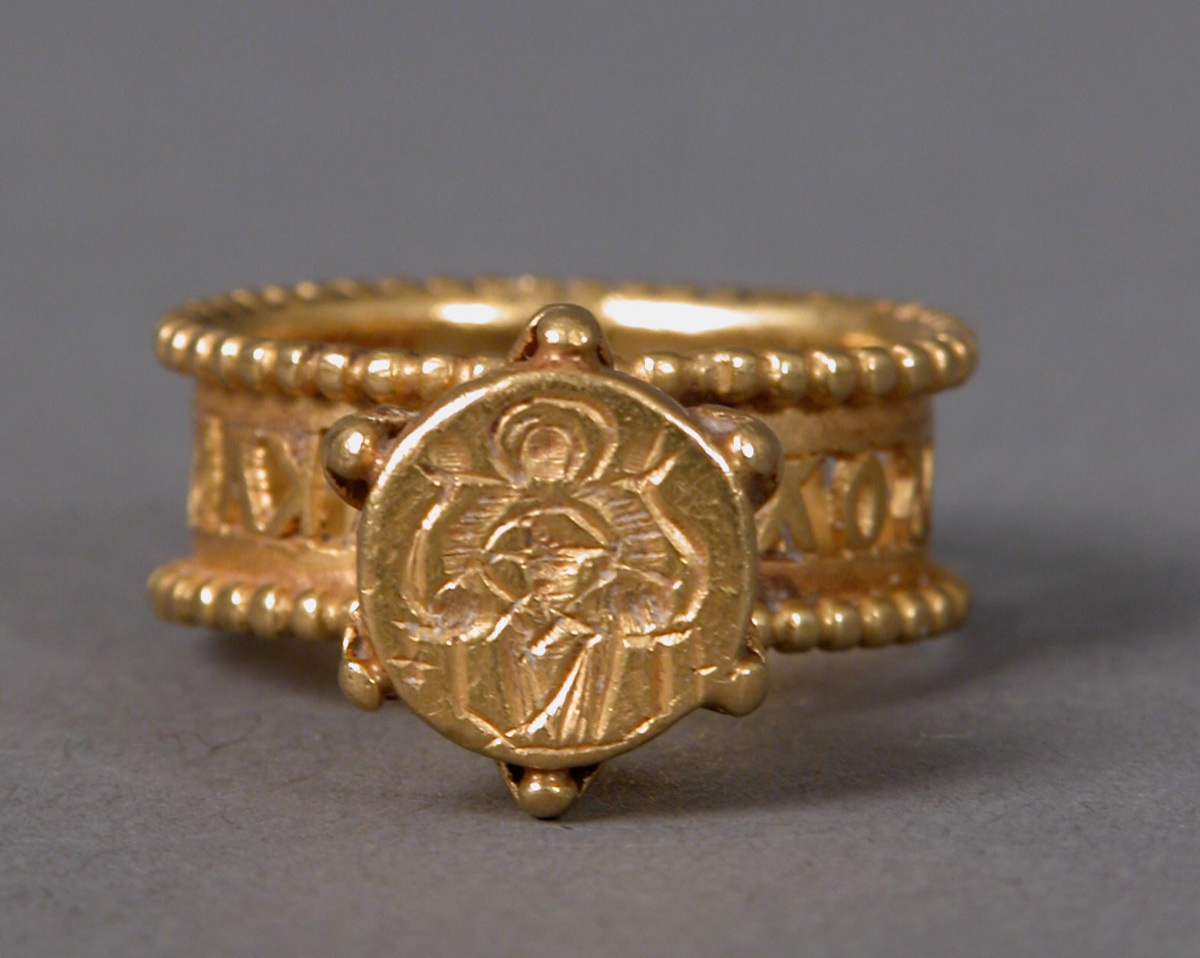
The signet carried its bearer’s will so fully that it had to be broken at his death. The Fisherman’s Ring is placed on each new pope’s finger, and defaced before the cardinals when he dies, so that no one may seal in his name.
The Met, New York · Public domain · SourceAt a coronation the oil is consecrated first, then it consecrates the sovereign, out of sight of the cameras. The ring, the sceptre and the orb that follow seal the bond between a person, a charge and the sacred.
Source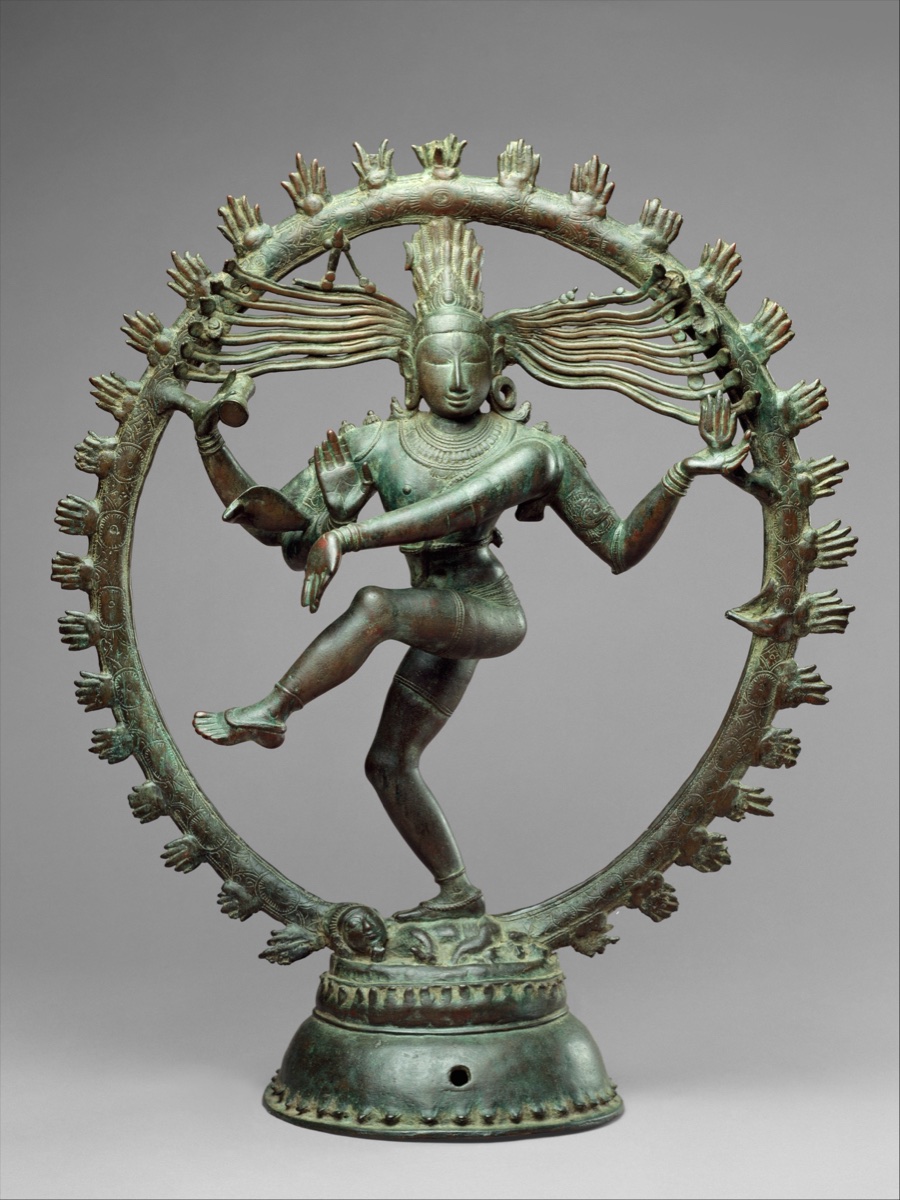
In India, an image becomes a living presence through a precise rite, prāṇa pratiṣṭhā: purify, invoke, breathe life in, open the eyes. Then comes a daily care that lasts the whole life of the image.
The Met, New York · Public domain · Source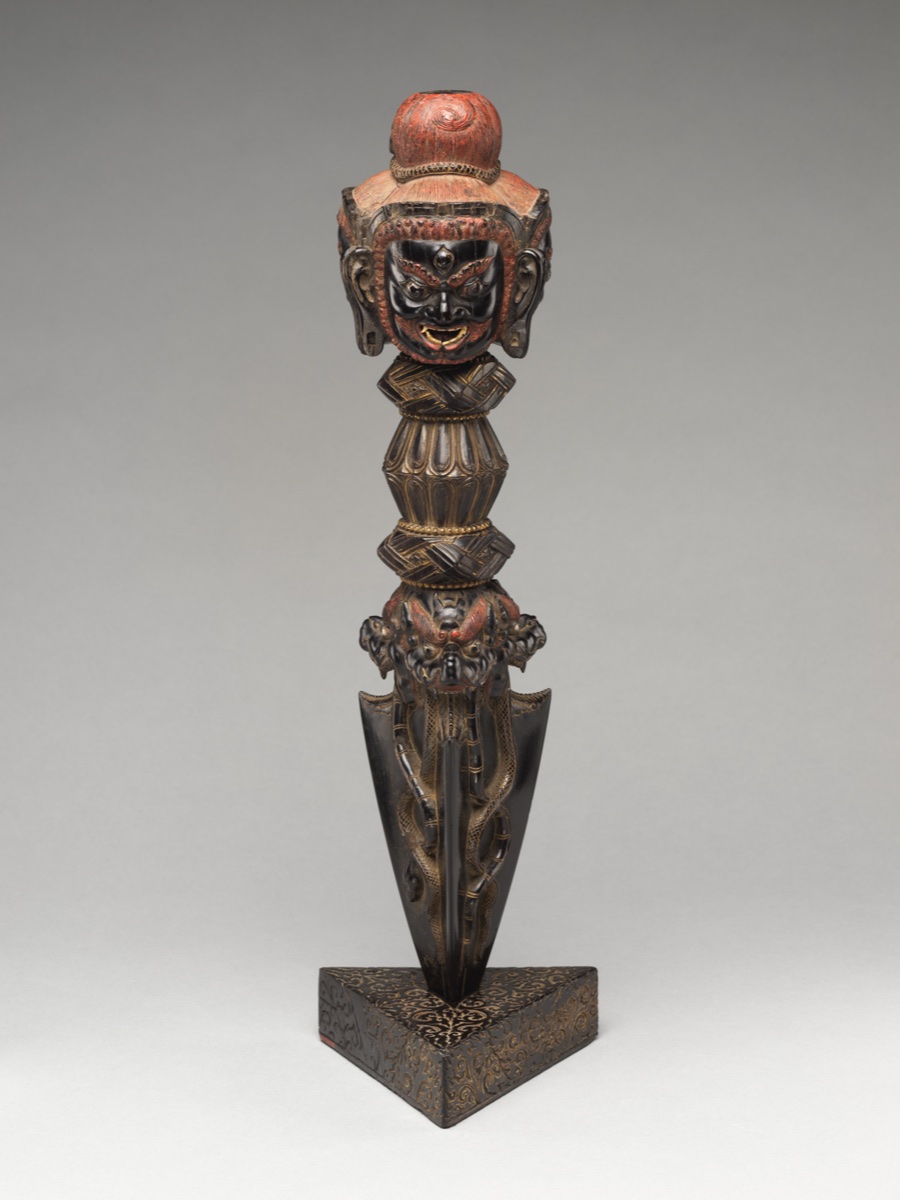
In Tibet an empty statue is never consecrated. It is first filled with sacred formulas; then a rite, rabné, invites the awakened ones to dwell within it.
The Met, New York · Public domain · Source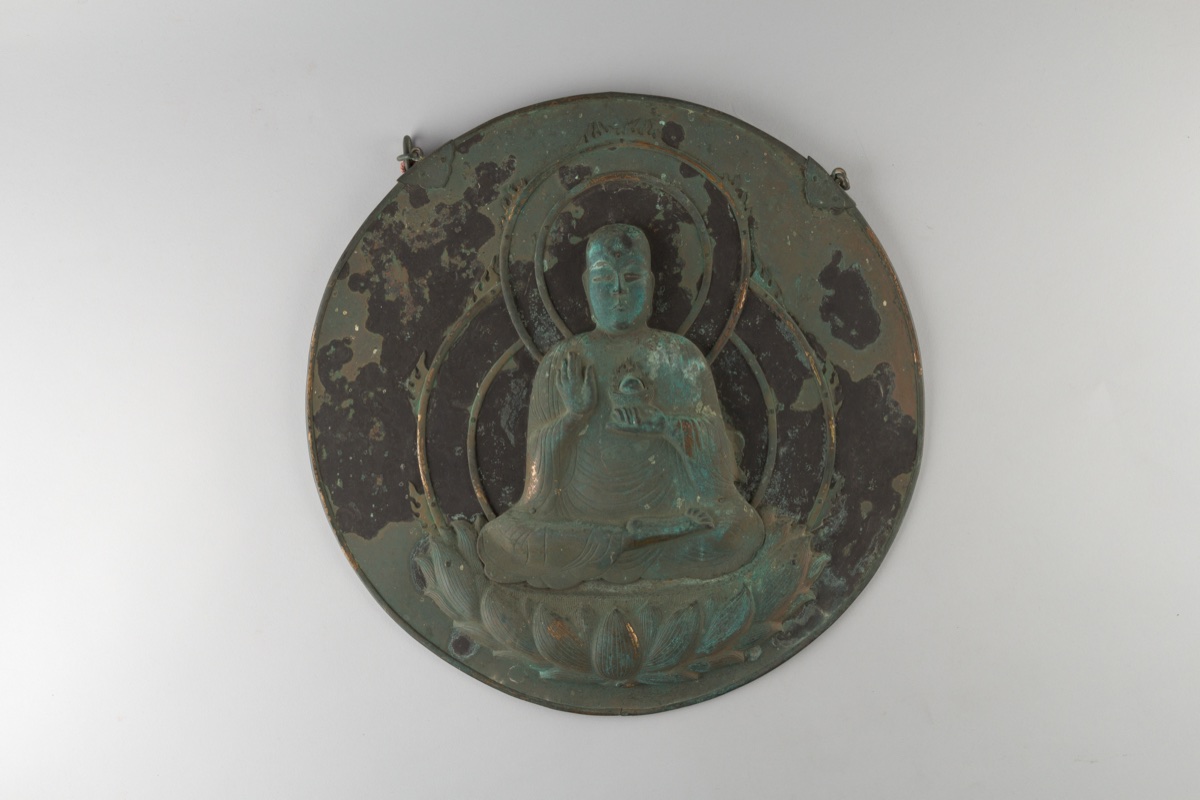
In Japan, an object becomes the dwelling of a kami or a buddha through a rite; the eyes of the Great Buddha of Nara were opened in 752. A talisman is worn and respected, and when its time is over, it is returned to the fire.
The Met, New York · Public domain · Source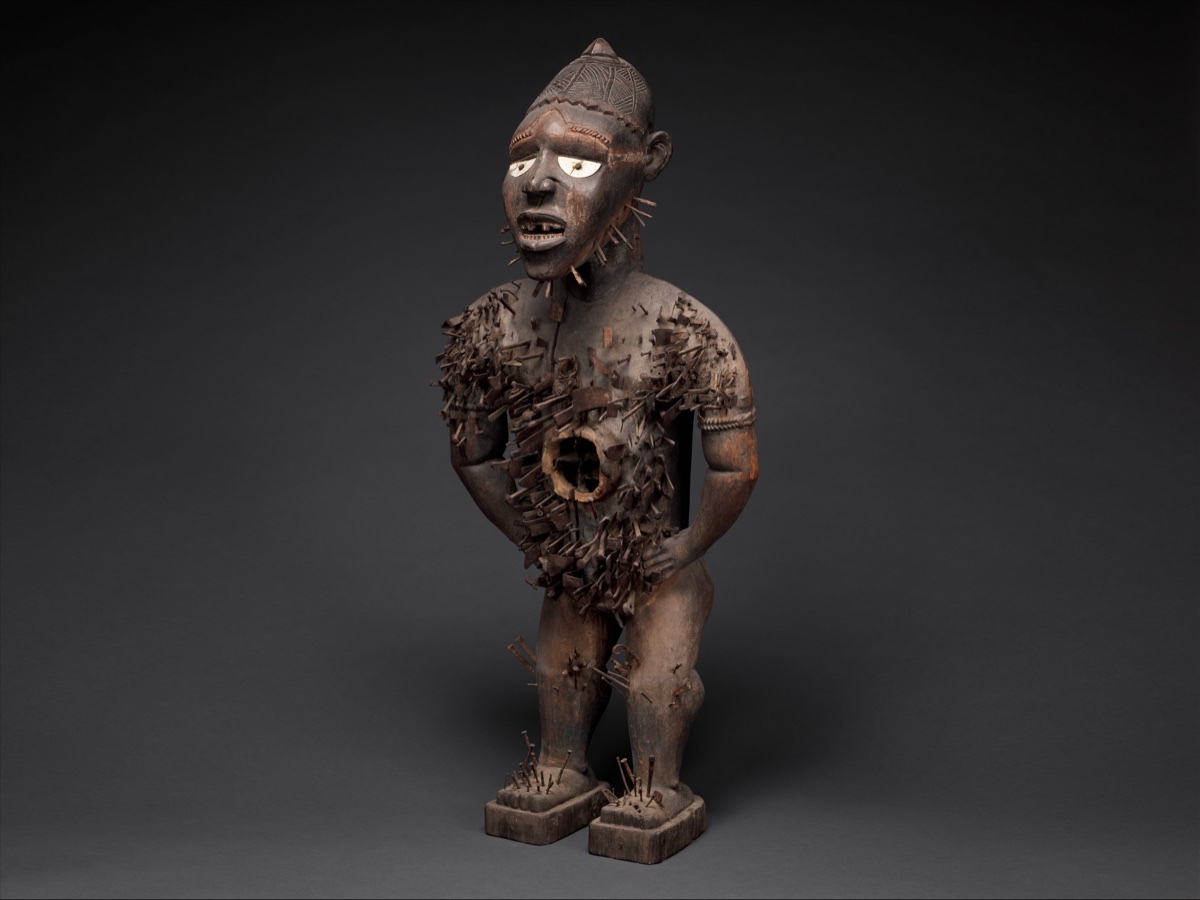
Among the Kongo, a carved figure became powerful only once a ritual specialist, the nganga, had charged it. Each vow or treaty made before it stayed driven into it, visible to all.
The Met, New York · Public domain · SourceAmong the Asante, the seat of power holds the spirit of the whole nation, the living, the dead and those yet to be born. No one sits on it. In 1900 a kingdom went to war so that a stranger would not.
Source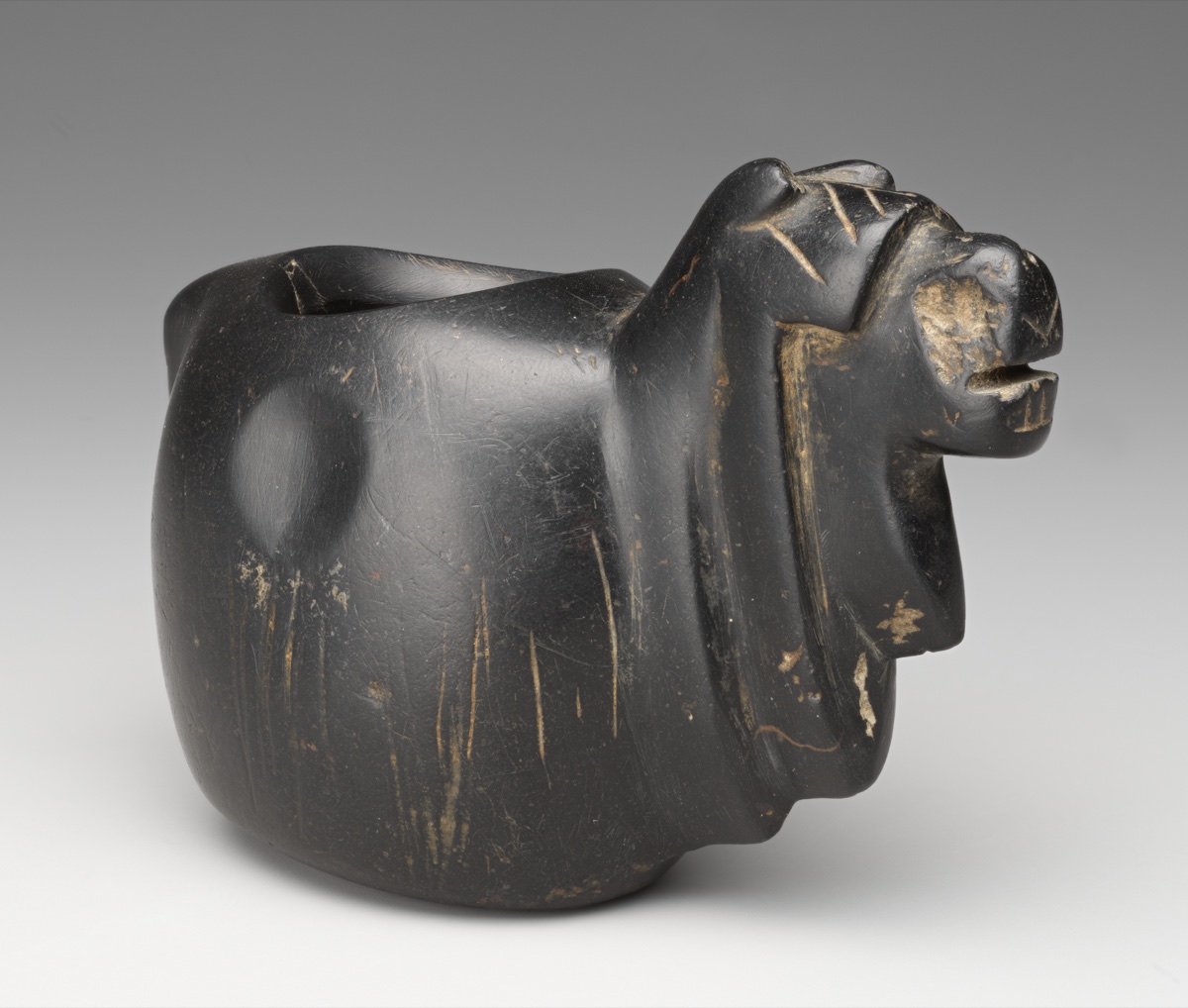
In the Andes, small worked stones called conopas were held to be alive. Families fed them with offerings and passed them down from parents to children.
The Met, New York · Public domain · SourceThis knowledge belongs to all our ancestors. I have spent fifteen years practising it.
The work
About you, the object, and what you want it to hold. I prefer to work with a piece you have already chosen. If you are still looking for it, we can find it together.
I clear the memories and charges the object has absorbed: from those who made it, those who owned it, everything it has witnessed.
I attune it to you: your intention, the life you are walking into.
I awaken it, so that it carries that intention.
You receive it back as an object of power, with what you need to live beside it: how to wear it, keep it, and renew the bond.
What an object brings belongs to your relationship with it. I promise care, depth and honesty.
Which objects
Jewels
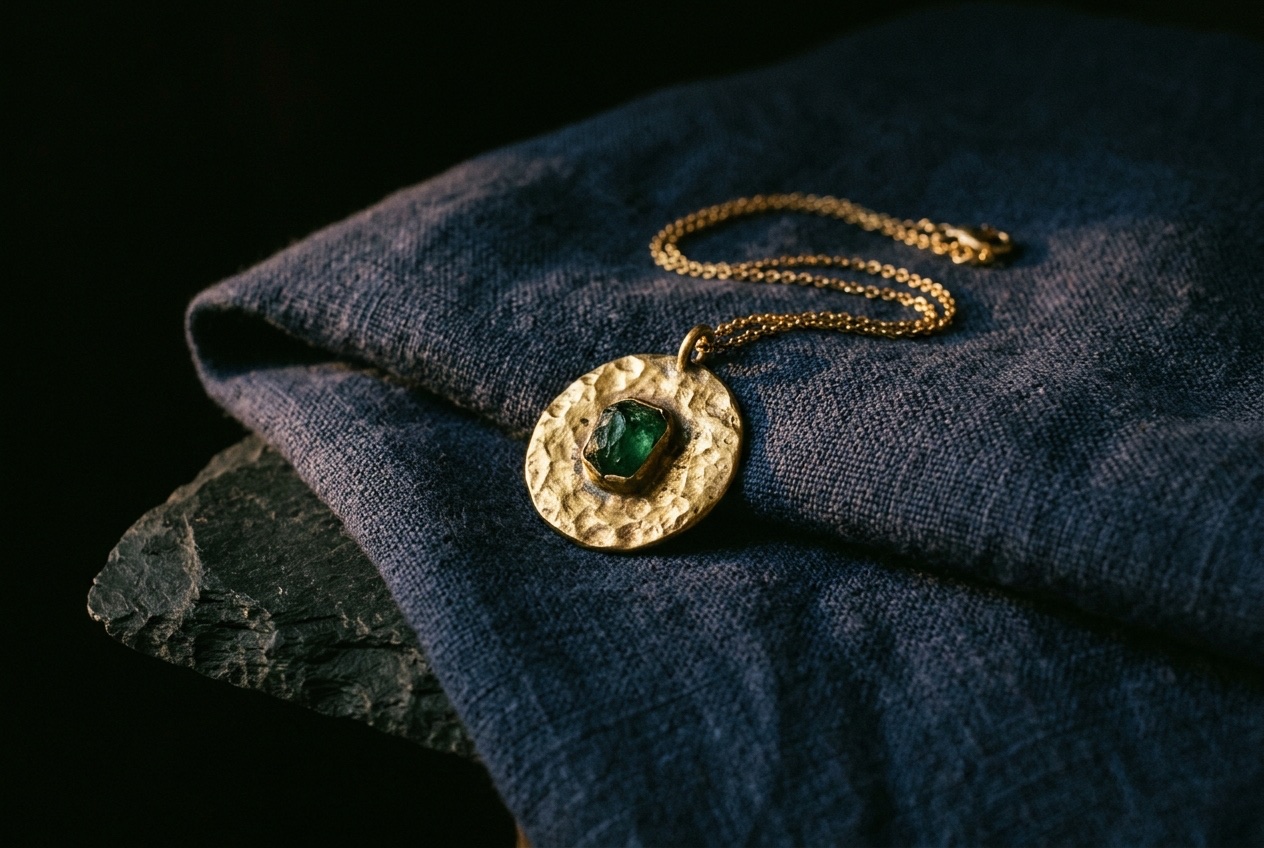
The object you wear every day is present in your most familiar gestures. A ring of power, a pendant, a bracelet: close to the skin, present in every gesture.
Heirlooms & sacred objects
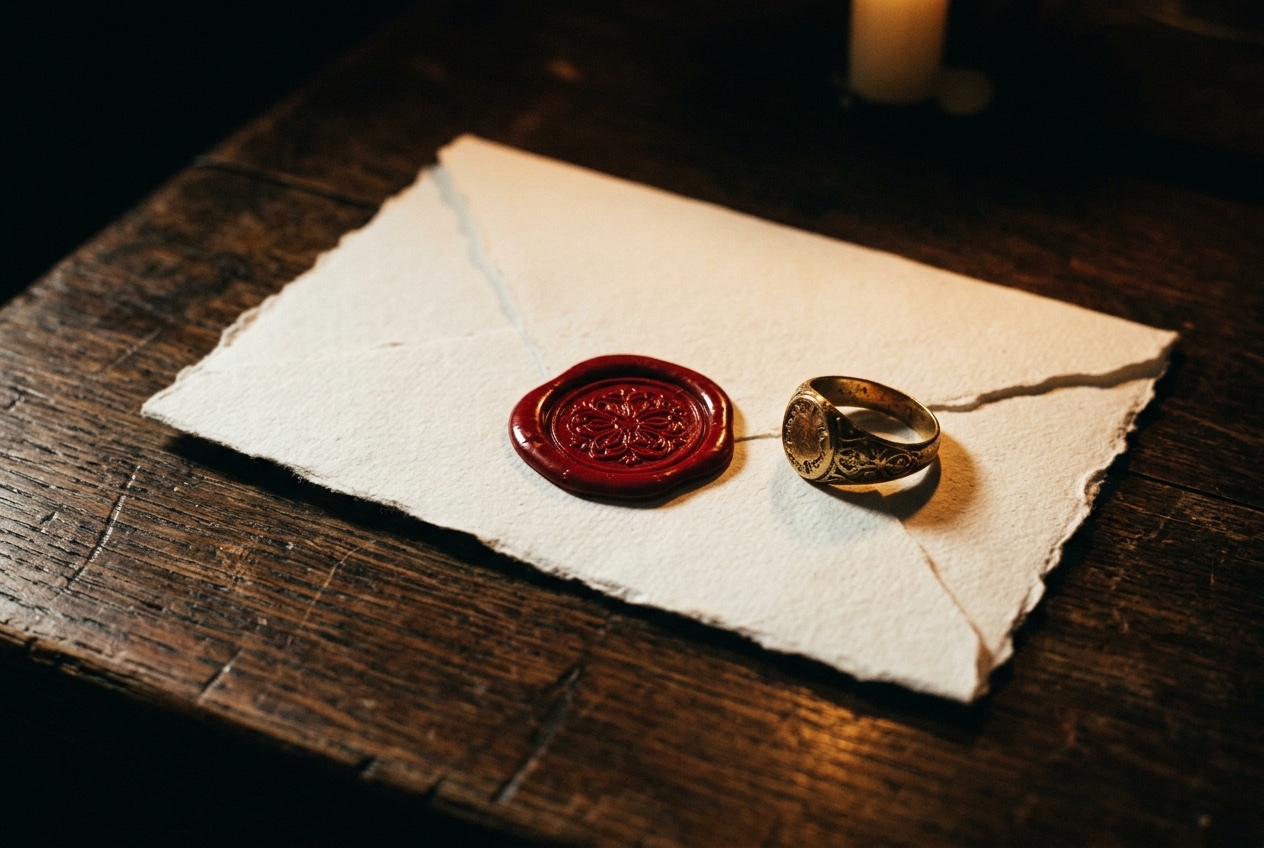
A piece inherited from a mother, a grandfather, a lineage. A sacred object received along the way. What it carries can be honoured, cleared, and carried forward.
Symbols
The emblem of a family, a house or a company. The statue at the heart of a garden. A painting, a collection piece, the symbol everyone gathers around.
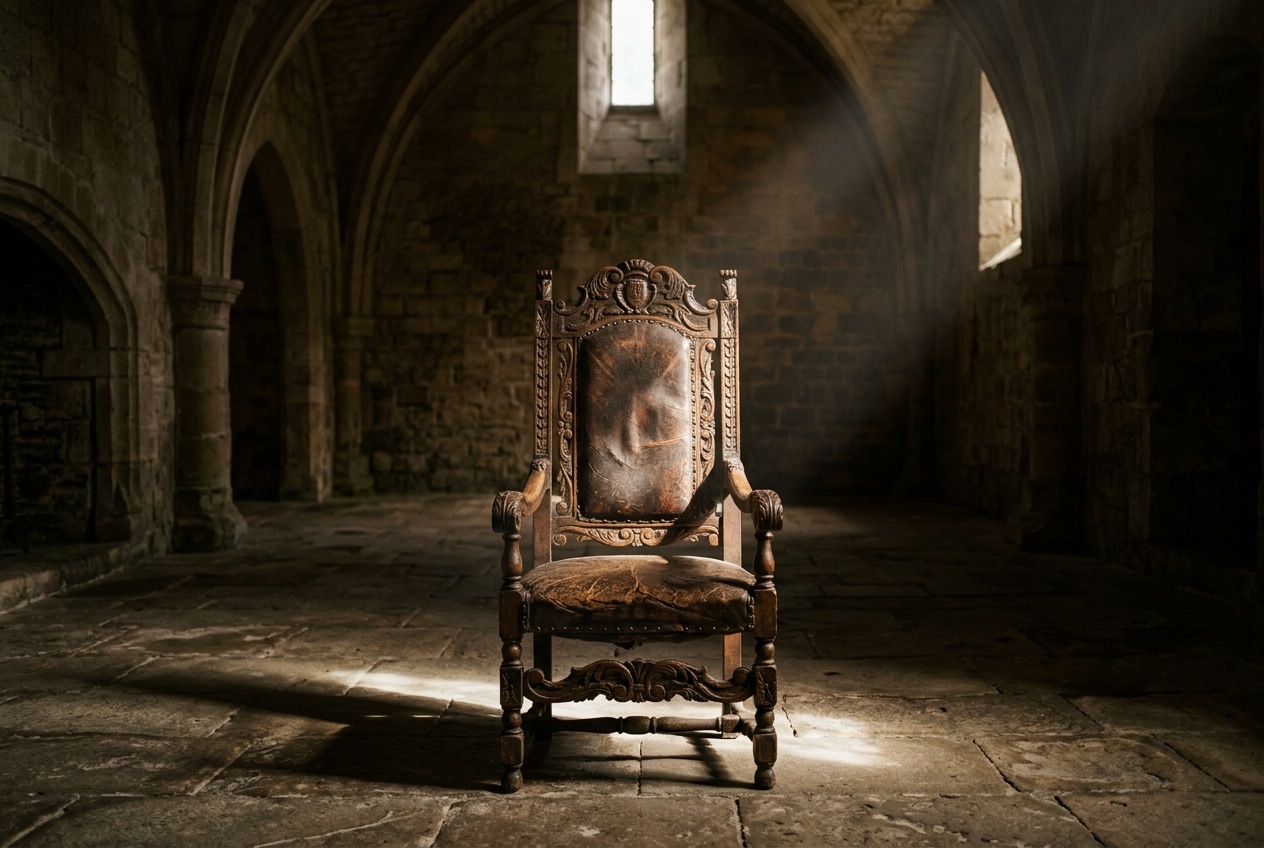
The seat of decisions
The chair where a founder decides, where an artist creates, where the head of a family listens. The seat that holds you through the hours that matter.
The offer
400 €
One object, cleared, attuned to you and to your intention, and activated. For a lifelong relationship.
Grounded in fifteen years of deep work with objects, and with the bond between objects and people.
Several objects, a collection, a whole house: we talk.
Museum pieces: The Metropolitan Museum of Art, Open Access, public domain. Other photographs: atmospheric images created for this site.